%2Ffit-in%2F250x250%2Fusers%2F5e3543bc-c3d9-4c4a-a3da-e87fde7f5732%2Fimages%2F8e7f0864-a625-4d1d-a539-62a9b8b69e07.jpg&w=1920&q=100)
Caught a Little Tunny Offshore in Port Orange
Little Tunny Fishing in Port Orange
5.0

2 Reviews
- 5
 100%
100% - 4
 0%
0% - 30%
- 20%
- 10%
%2F%2Fusers%2F5e3543bc-c3d9-4c4a-a3da-e87fde7f5732%2Fimages%2Flittle-tunny-fish-caught-93-12573.png&w=1920&q=75)
The Little Tunny belongs to the order Perciformes and family Scombridae. It typically measures between 24 and 48 inches in length, with a weight range from 5 to 15 lbs. Habitat: onshore, nearshore, offshore waters where they school and migrate seasonally. - Also known as Bonita, False Albacore, or Little Tuna. - One of the smaller tuna variants that relies on schooling behavior. - Migratory species that typically heads south during winter and fall months.
Fishing Charter by Captain Aaron Highers in August
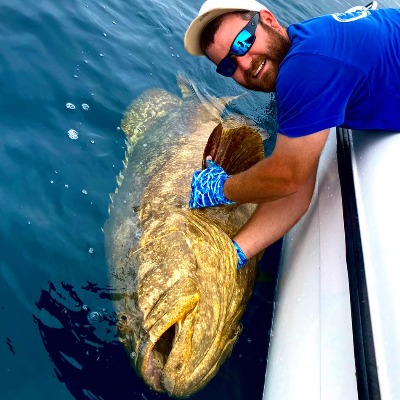
Meet your Captain Aaron Highers
- Experience Top Notch Adventures Offshore & Inshore


Summary
Captain Aaron Highers of Top Notch Adventures on Monday June offers full-day offshore fishing charters targeting Little Tunny and other gamefish in Port Orange waters. These 8-10 hour deep sea trips use heavy and light tackle techniques, combining trolling and live bait fishing to reach prime offshore grounds where Little Tunny, mahi mahi, grouper, and snapper thrive. June brings warming waters and active migratory species, making it an ideal time for serious anglers seeking trophy catches. With experienced crew guidance and top-quality gear included, these extended charters maximize your time on productive fishing grounds. Whether you're after the aggressive strikes of Little Tunny or the deep-water battles with grouper and amberjack, Top Notch Adventures delivers memorable offshore fishing experiences for up to 2 guests per trip.
Fishing Charter with Captain Aaron Highers – Rates & Booking
Captain Aaron Highers of Top Notch Adventures on Monday June runs full-day offshore fishing charters from Port Orange, targeting Little Tunny and other prime gamefish species. These 8-10 hour deep sea trips range from $800-1200 depending on duration and group size, with all tackle, bait, and safety equipment included. Book online or call to reserve your spot for up to 2 anglers per charter. Licensed and experienced, Captain Aaron knows the productive offshore waters where Little Tunny school during their peak season, using proven trolling and live bait techniques to put you on the fish.
Highlights of Port Orange Deep Sea Fishing Charters | Full Day 8 or 10 Hour Charters
These extended offshore trips give serious anglers the time and range needed to reach prime fishing grounds beyond the nearshore waters. Target multiple species including Little Tunny, mahi mahi, grouper, snapper, and amberjack using a mix of heavy and light tackle techniques. The longer duration allows for exploring different depths and structures, from trolling the blue water for pelagics to dropping lines deep for bottom dwellers. June conditions are ideal with warming waters drawing in migratory species like Little Tunny, providing consistent action throughout the day.
Captain Aaron's approach combines deep sea trolling with live bait fishing, adapting techniques based on current conditions and fish activity. The boat is equipped with quality tackle for both light and heavy fishing, ensuring you're prepared whether targeting the speed and agility of Little Tunny or the power of larger offshore species. Safety equipment and fishing licenses are handled by the crew, letting you focus on the fishing experience.
Local Species Insights: Little Tunny
Little Tunny are aggressive feeders that school in offshore waters around Port Orange, particularly active during the warmer months when baitfish are abundant. These fast-swimming members of the tuna family are known for their acrobatic fights, often leaping clear of the water when hooked. In June, they're commonly found in 40-100 feet of water, following schools of sardines and other small baitfish. Captain Aaron targets them using both trolling lures and live bait, with the fish responding well to fast-moving presentations that mimic their natural prey. Their migratory nature means timing is important, and local knowledge of current patterns and bait movements makes the difference between a good day and a great day on the water.
Plan Your Fishing Charter Day
Your full-day charter departs early morning from Port Orange, giving you maximum time on the productive offshore grounds. The boat accommodates up to 2 guests comfortably, with all fishing equipment, tackle, and safety gear provided by Top Notch Adventures. Captain Aaron handles navigation, fish finding, and technique instruction, ensuring both experienced and novice anglers have a successful trip. Bring sunscreen, snacks, and drinks for the 8-10 hour adventure, and prepare for an action-packed day targeting some of Florida's most exciting offshore gamefish species.
Fishing in Port Orange: Little Tunny
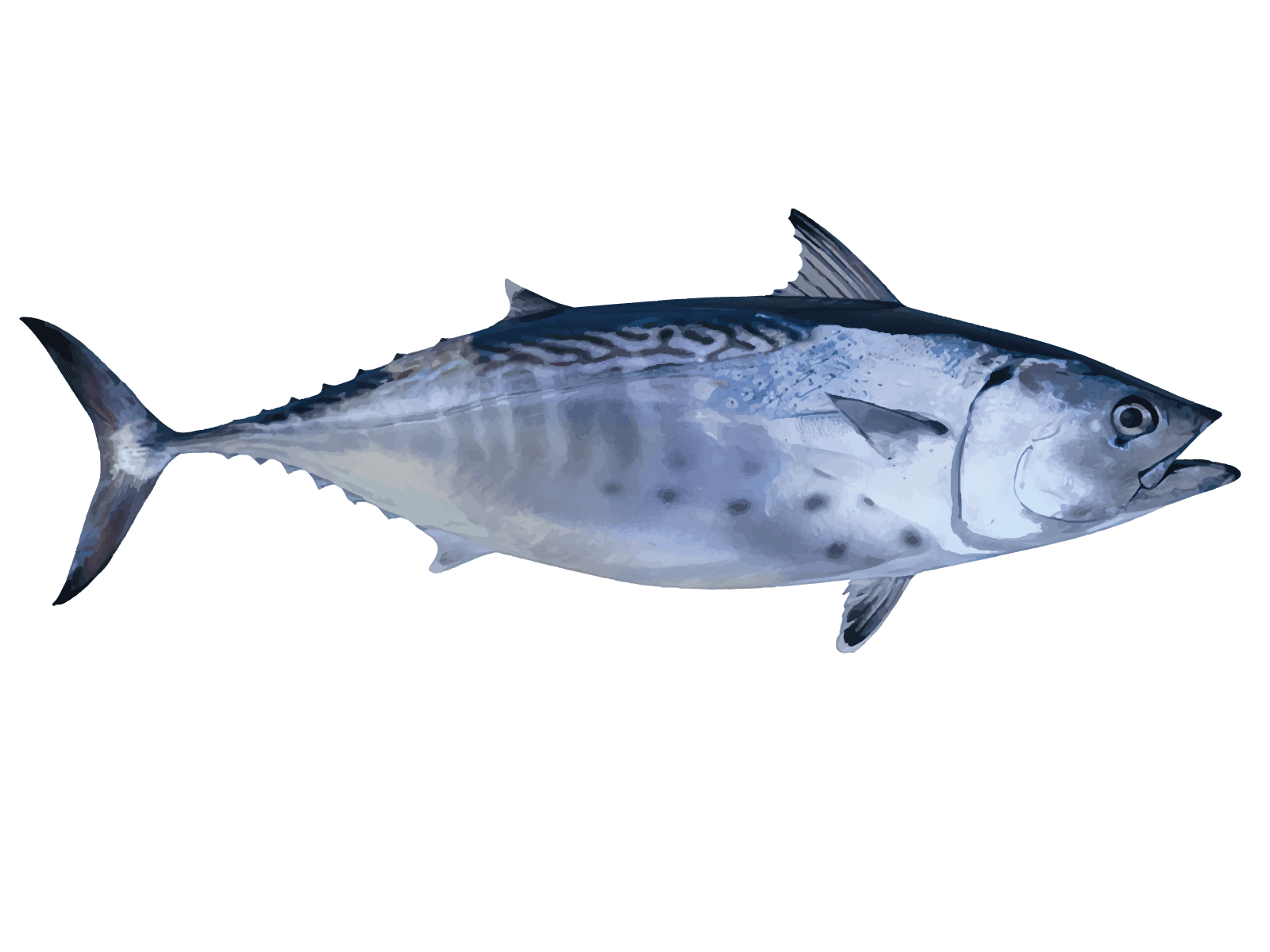
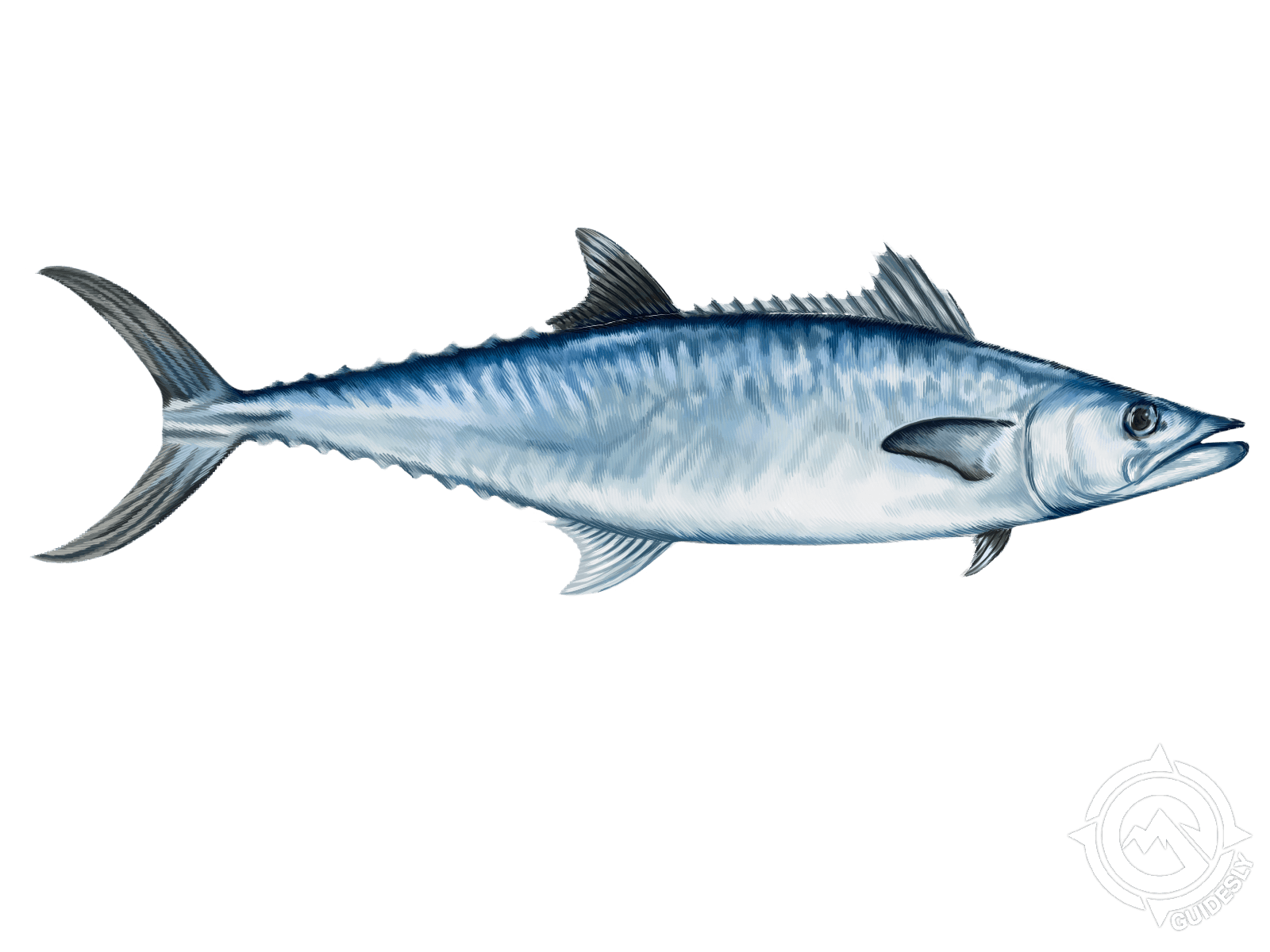
Little Tunny (Euthynnus alletteratus) is a fast-swimming member of the Scombridae family, commonly known as Bonita, False Albacore, or Little Tuna. These aggressive predators are among the smaller tuna species, typically ranging from 24-48 inches and weighing 5-15 pounds. In Port Orange waters this June, they're actively feeding in offshore schools, providing exciting action for charter boat anglers.
Little Tunny Overview
Little Tunny are highly migratory pelagic fish that travel in large schools throughout the Atlantic. They're prized by anglers for their incredible speed, acrobatic fights, and willingness to strike lures and baits aggressively. Their streamlined bodies and powerful tails make them one of the fastest fish in coastal waters, capable of reaching speeds over 40 mph.
Little Tunny Habitat and Distribution
These fish inhabit onshore, nearshore, and offshore waters along the Atlantic coast. Around Port Orange, they're commonly found in 40-100 feet of water during summer months, following schools of baitfish like sardines, anchovies, and small mackerel. They prefer areas with strong currents and temperature breaks where prey concentrates.
Little Tunny Size and Weight
Adult Little Tunny typically measure 24-48 inches in length and weigh between 5-15 pounds, though larger specimens can exceed 20 pounds. Their compact, muscular build gives them exceptional power relative to their size, making them formidable opponents on light to medium tackle.
Little Tunny Diet and Behavior
Little Tunny are voracious predators that feed primarily on small schooling fish, squid, and crustaceans. They hunt in coordinated schools, often driving baitfish to the surface where feeding frenzies create visible commotion. Peak feeding activity occurs during dawn and dusk, though they remain active throughout the day when bait is abundant.
Little Tunny Spawning Season
Spawning occurs in offshore waters during spring and early summer when water temperatures reach 75-80°F. During this period, they form large aggregations and become more aggressive, making them prime targets for charter boat fishing.
Little Tunny Fishing Techniques
Effective techniques include high-speed trolling with small lures, live bait fishing with sardines or pilchards, and casting to surface schools. Popular lures include cedar plugs, spoons, and small diving plugs trolled at 6-8 knots. In June around Port Orange, anglers find success trolling the offshore waters where temperature breaks concentrate baitfish and attract feeding schools.
Little Tunny Is It Good to Eat?
Little Tunny has dark, rich meat with a strong flavor that's best when prepared fresh. The meat is high in protein and omega-3 fatty acids but requires proper handling and preparation. Many anglers prefer catch-and-release due to the fish's sporting qualities and the abundance of better table fare species in the same waters.
Little Tunny Frequently Asked Questions
Q: What is the best bait for Little Tunny?
A: Live sardines, pilchards, and small mackerel work excellent, along with high-speed trolled lures like cedar plugs and small spoons.
Q: Where can I find Little Tunny near Port Orange?
A: Look for them in 40-100 feet of water offshore, particularly around temperature breaks and areas with active baitfish schools.
Q: Is Little Tunny good to eat?
A: The meat is edible but has a strong, dark flavor that requires proper preparation. Many anglers prefer catch-and-release for these sporting fish.
Q: When is the best time to catch Little Tunny?
A: June through September offers peak action in Port Orange waters, with early morning and late afternoon providing the most consistent fishing.
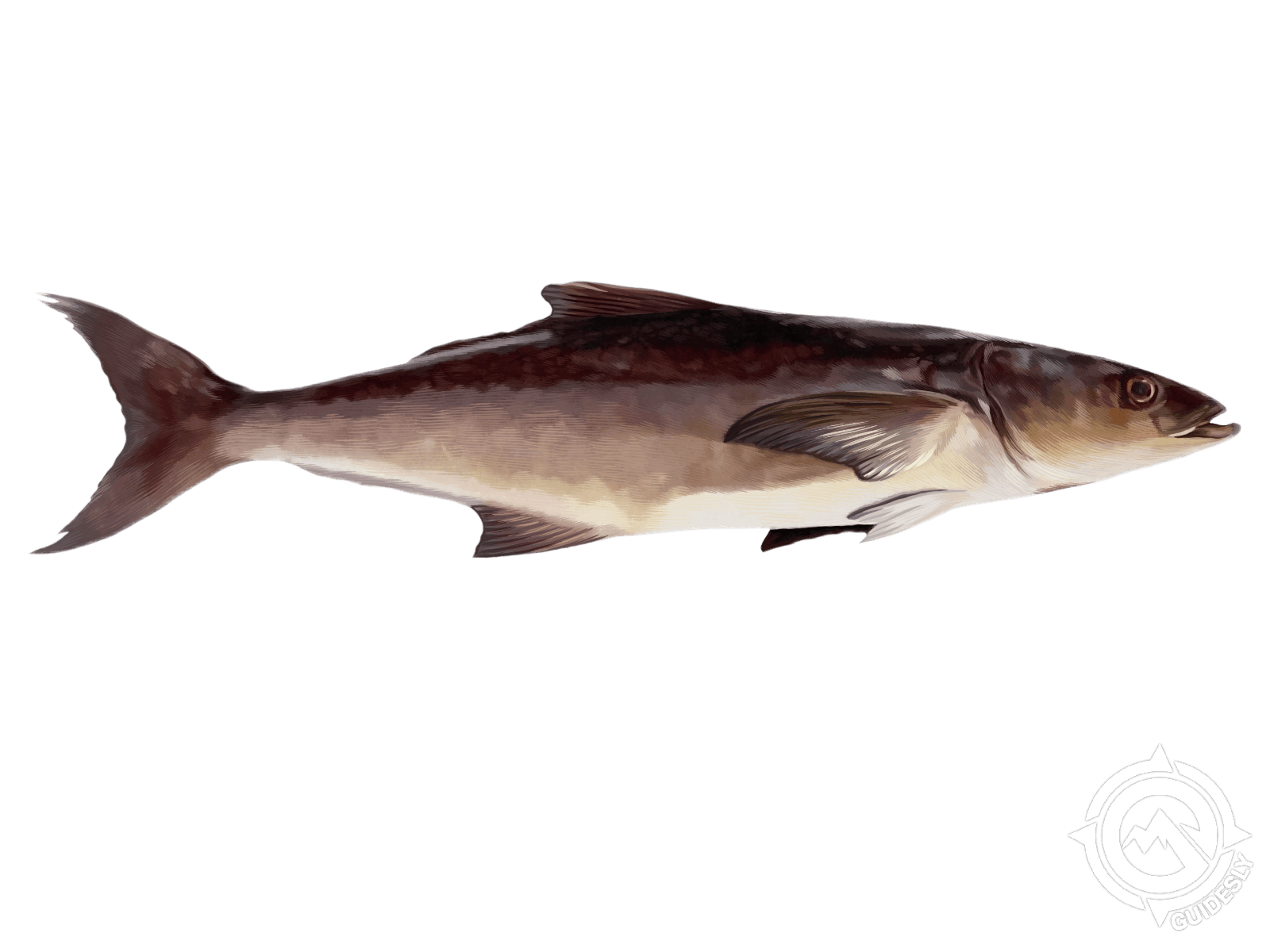
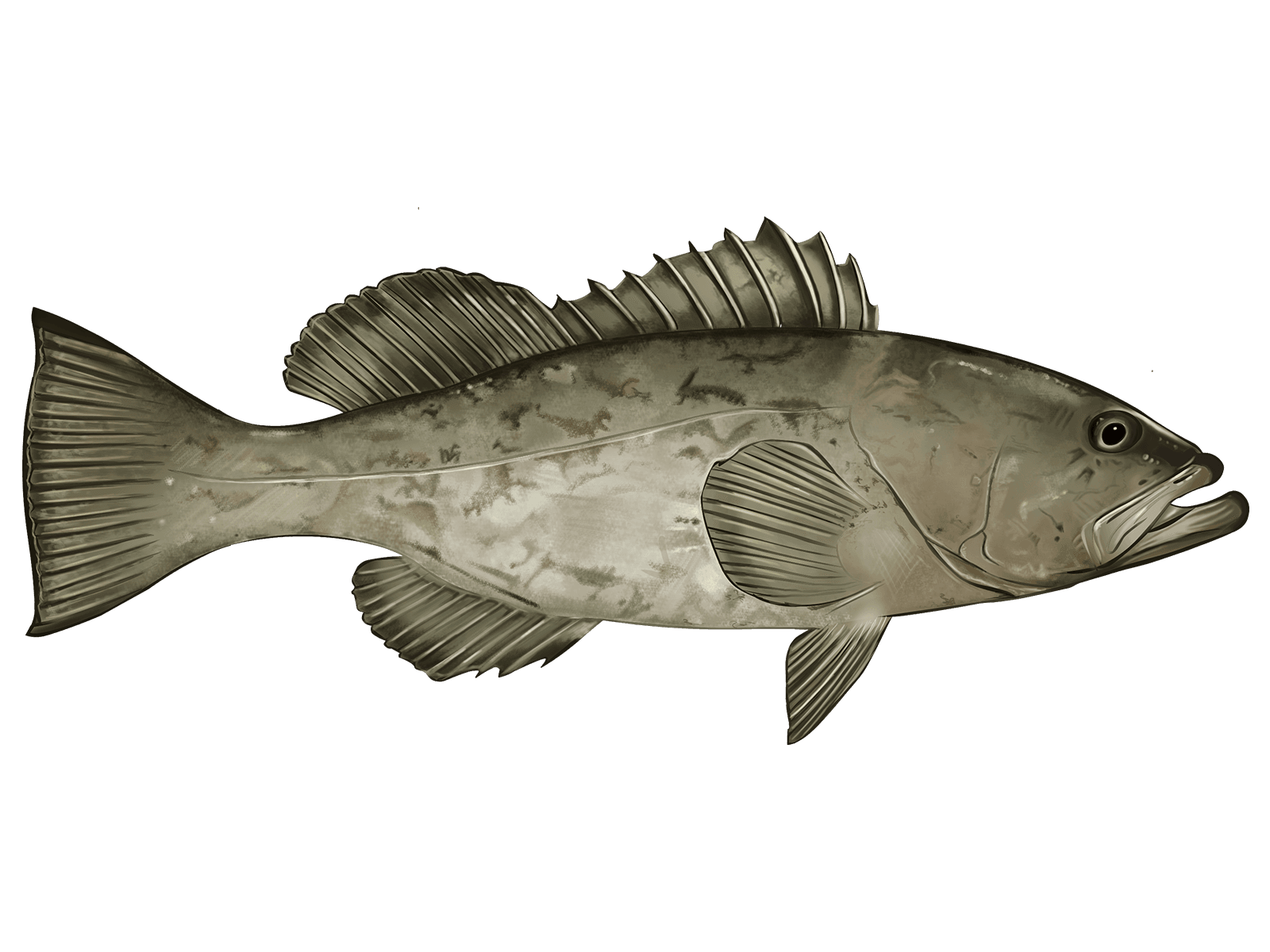
More species you can explore on this trip

Top Notch Adventures Available Trips
Other customer memories from this trip
Our offshore fishing boat is rigged specifically for deep sea charters out of Port Orange, equipped with both heavy and light tackle setups to handle everything from aggressive Little Tunny to larger bottom fish like grouper and snapper. The vessel features quality fish-finding electronics, outriggers for trolling, and a comfortable layout for up to 2 anglers. We keep live wells stocked with fresh bait and carry a full selection of lures and rigs for different techniques. Safety equipment including life jackets and radio communication ensures a secure trip, while the boat's design provides stability in offshore conditions and plenty of room for fighting fish.