%2Ffit-in%2F250x250%2Fusers%2F5e3543bc-c3d9-4c4a-a3da-e87fde7f5732%2Fimages%2F8e7f0864-a625-4d1d-a539-62a9b8b69e07.jpg&w=1920&q=100)
Fresh Kingcroaker and Flounder Catch in Port Orange FL
Southern Kingcroaker & Flounder Fishing in Port Orange - What to Expect
%2F%2Fusers%2F5e3543bc-c3d9-4c4a-a3da-e87fde7f5732%2Fimages%2Fport-orange-kingcroaker-flounder-catch-2859.jpg&w=1920&q=75)
Fishing Charter by Captain Aaron Highers in July
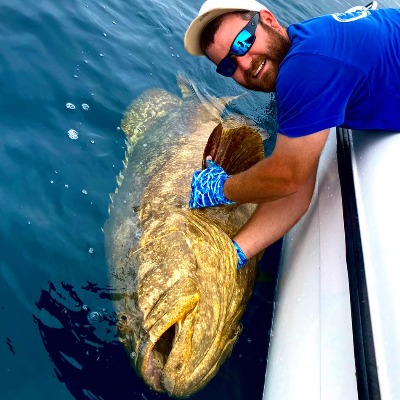
Meet your Captain Aaron Highers
- Experience Top Notch Adventures Offshore & Inshore


Summary
On a Friday in July, our fishing charter in Port Orange delivered exactly what we came for - a solid catch of Southern Kingcroaker and Southern Flounder. Captain Aaron Highers guided us through productive waters where these species were biting consistently. The cooler filled with fresh catches made for a memorable day on the dock, and it's the kind of trip that reminds you why local fishing matters.
Fishing with Captain Aaron Highers - Rates & Booking
Captain Aaron Highers of Top Notch Adventures led our fishing charter on Friday, July 31st in Port Orange, FL. This was a solid day on the water that produced results - a full cooler of fresh-caught Southern Kingcroaker and Southern Flounder. If you're interested in booking a similar experience, Top Notch Adventures offers competitive rates and can be contacted directly to discuss your preferred dates and group size. The charter includes all the essential fishing experience you need with a captain who knows these waters.
Working with a local, licensed captain means you get someone who understands the tides, seasonal patterns, and where to find fish during your chosen time frame. Captain Highers manages the technical side so you can focus on the fishing itself. Whether you're an experienced angler or new to saltwater fishing, having that local expertise makes a real difference in your success rate.
Highlights of This Fishing Day
The standout of this charter was the consistent action on Southern Kingcroaker and Southern Flounder. Both species showed up throughout the day, which isn't always guaranteed, but it speaks to the quality of the fishing grounds around Port Orange. The cooler filled steadily, and by the end of the day we had a legitimate catch to show for our effort - the kind of result that makes the early morning wake-up worth it.
Port Orange's location along Florida's Indian River Lagoon system puts you in proximity to productive fishing habitat. The dock setup at Port Orange is straightforward and convenient, which means less hassle getting to and from the water. It's the kind of practical detail that matters after a full day of fishing.
Local Species Insights: Southern Kingcroaker & Flounder
Southern Kingcroaker and Southern Flounder are two species that define successful fishing around Port Orange. The Kingcroaker is a bottom feeder that responds well to live bait and patience - they're not aggressive strikers, but they're reliable. On this day, multiple Kingcroaker were in the catch, which suggests they were feeding actively in the areas we worked.
Southern Flounder brings a different dynamic to the fishing experience. They're ambush predators that prefer structure and will hit moving bait with more aggression than Kingcroaker. Getting both species in the cooler on the same trip reflects solid fishing conditions and the right technique for each fish. These are the species that make Port Orange fishing worthwhile - they're present, they're catchable, and they're good eating.
The Port Orange waters that hold these fish are typically moderate depth - not extreme drop-offs but areas where the bottom composition and structure create feeding grounds. The Indian River Lagoon system provides the brackish to saltwater environment where both species thrive. Weather and tides play a role in daily success, but when conditions align, this area consistently produces.
Plan Your Fishing Day
A typical fishing charter with Captain Aaron Highers involves departing early to catch the morning bite, which is when fish tend to feed most actively. You'll want to plan for a full day on the water - bring sun protection, stay hydrated, and wear shoes with good grip. The dock area is manageable, and your catch gets handled and stored properly throughout the day.
Group size and scheduling flexibility are things to discuss directly with Top Notch Adventures when you book. Charter fishing works best when everyone knows what to expect - what to bring, what's provided, and what the actual fishing experience will feel like. Captain Highers will set those expectations clearly so you show up ready to fish.
Fishing in Port Orange: Southern Flounder, Kingcroaker and Southern Kingcroaker
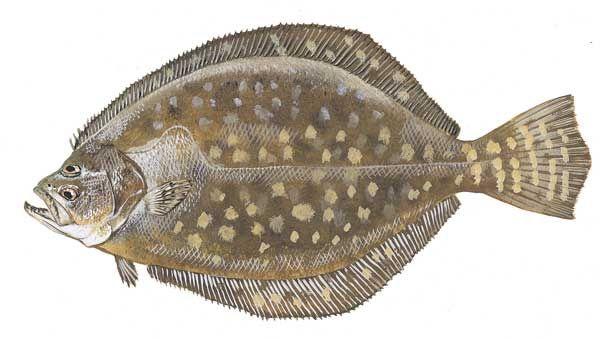
Southern Flounder Overview
The Southern Flounder (Paralichthys lethostigma) is a fascinating member of the Paralichthyidae family within the order Pleuronectiformes. What makes this flatfish truly remarkable is its distinctive asymmetrical eye placement—both eyes positioned on the left side of its head—and its remarkable ability to camouflage itself against sandy and muddy bottoms. These bottom-dwelling ambush predators are native to coastal waters across the Atlantic seaboard and Gulf of Mexico, making them a favorite target for both recreational and commercial anglers. Unlike their close cousin the Summer Flounder, Southern Flounders display numerous light and dark blotches rather than the oscillating spot patterns found on other flounder species. Whether you're casting lines near coastal channels or exploring estuaries, encountering this skilled predator is a genuine thrill that keeps anglers coming back season after season.
Southern Flounder Habitat and Distribution
Southern Flounders thrive in shallow coastal marine environments spanning from the Atlantic seaboard down through the Gulf of Mexico. You'll find them inhabiting sandy, rocky, or muddy bottoms in bays, rivers, lakes, estuaries, and inshore channels where they can easily ambush unsuspecting prey. These fish prefer staying in water shallow enough to maintain their bottom-dwelling lifestyle, which makes them accessible to shore-based and small boat anglers alike. During winter months, most adult specimens migrate offshore to deeper, warmer waters, so timing your fishing trips accordingly can significantly impact your success rates. The species thrives in areas with strong tidal currents and rich prey populations, making river mouths and coastal channels particularly productive fishing zones.
Southern Flounder Size and Weight
Southern Flounders typically range from 12 to 18 inches in length, with exceptional specimens stretching up to 33 inches or more. The average catch weighs around 1 to 4 pounds, which makes for excellent table fare and enjoyable sport on light-to-medium tackle. However, the all-tackle weight record stands at an impressive 20 pounds 9 ounces, proving that genuine trophy-sized flounders do exist for patient and skilled anglers willing to pursue them. Size varies considerably depending on habitat quality, water temperature, and food availability, with offshore populations generally producing larger specimens than their inshore cousins.
Southern Flounder Diet and Behavior
These masterful hunters are ambush predators that spend much of their day buried beneath sand or mud on the seafloor, waiting for unsuspecting prey to swim overhead. Their primary diet consists of worms, shrimp, blue crabs, and smaller fish species including anchovies, menhaden, and mullets. What's truly impressive is their ability to change color and pattern to perfectly match their surrounding substrate, effectively becoming invisible to both prey and predators. This chameleon-like adaptation is one of nature's most effective hunting strategies. Southern Flounders exhibit anguilliform swimming patterns, using their bodies and caudal fin to move gracefully through water despite their flattened body shape. Behaviorally, they're most active during tidal movements when increased water flow brings more food opportunities within striking distance.
Southern Flounder Spawning and Seasonal Activity
Female Southern Flounders demonstrate remarkable reproductive capacity, capable of releasing up to 9,000 eggs during a single spawning event. Spawning typically occurs during late fall and winter months, with larvae drifting into estuaries and shallow bays as nursery grounds throughout spring and early summer. Juvenile flounders grow rapidly in these nutrient-rich nurseries before gradually moving to deeper offshore waters as they mature. Males exhibit notably shorter lifespans compared to females, typically living only three years maximum, while females can reach considerably older ages. This pronounced sexual dimorphism in lifespan makes protecting breeding populations especially important for long-term fishery sustainability.
Southern Flounder Techniques for Observation or Capture
Still Fishing and Drift Fishing: The most effective method involves still fishing or drift fishing directly over known flounder habitat on sandy or muddy bottoms. Position your boat in channels or along drop-offs where these fish congregate. Use a single-hooked slip lead or free-line rig with heads ranging from 1/4 to 3/8 inches. Light-to-medium rod and reel combinations spooled with 10-pound test line work perfectly. Cast your rig uptide and maintain bottom contact, feeling for the characteristic tap-tap-tap of a feeding flounder.
Live Bait Presentation: Bull minnows, mullets, and live shrimp represent the gold standard baits for Southern Flounders. Present these offerings on the bottom where flounders hunt, allowing natural movement to trigger strikes. Around coastal areas like the Louisiana bayous or North Carolina sounds, fresh live shrimp often outperforms all other baits, particularly during peak tidal movements.
Fly Fishing: For a more engaging challenge, try fly fishing with medium-weight lines and small streamer patterns that mimic baitfish. Cast along channel edges and drop-offs, then execute slow, pulsing retrieves near the bottom. This technique works particularly well in shallower estuarine waters where sight-casting is possible.
Southern Flounder Culinary and Utilization Notes
Southern Flounder ranks among the finest eating flatfish available to anglers, featuring delicate, mild white meat with excellent flavor and tender texture. The meat cooks beautifully whether pan-seared, baked, or deep-fried, making it a favorite at both family dinners and upscale restaurants. A single 2-3 pound flounder provides a satisfying meal for two people, while larger specimens offer enough fillets for family gatherings. The high-quality protein, low fat content, and absence of strong fishy flavors make this species appealing even to seafood skeptics. From a sustainability perspective, recreational harvest at reasonable levels remains sustainable in most regions, though always check local regulations and size limits before keeping your catch.
Southern Flounder Frequently Asked Questions
Q: What is the best bait for catching Southern Flounder?
A: Live bull minnows, mullets, and shrimp consistently outperform artificial offerings. Fresh live shrimp typically produces the highest success rates, particularly during moving tide periods when flounders actively feed. The key is presenting your bait directly on the bottom where these ambush predators hunt.
Q: How do I distinguish a Southern Flounder from a Summer Flounder?
A: The most reliable distinguishing feature is the spot pattern on the dark side. Southern Flounders display numerous light and dark blotches and irregular spots, while Summer Flounders exhibit more uniform, oscillating spot patterns. Additionally, Southern Flounders typically have less developed pectoral fins compared to their cousins.
Q: When is the best time to catch Southern Flounder?
A: Spring through early fall offers excellent opportunities as fish remain in shallower inshore waters. Winter months see most flounders migrating offshore to deeper refuge, making them harder to access from shore. Tidal movements create peak feeding windows, so fish moving tides whenever possible for maximum productivity.
Q: Are Southern Flounders good to eat?
A: Absolutely—they rank among the finest-tasting flatfish available. The delicate white meat offers mild flavor and tender texture, cooking beautifully through multiple preparation methods. A 2-3 pound flounder provides an excellent meal, while larger specimens offer abundant fillets for family dining.
Q: What fishing techniques work best for Southern Flounder?
A: Still fishing and drift fishing over bottom habitat produce the most consistent results. Position your boat in channels or along defined drop-offs, maintaining bottom contact with your rig. Light-to-medium tackle spooled with 10-pound test line provides excellent sensitivity for detecting the subtle takes these bottom feeders produce.
Q: Can I sight-cast to Southern Flounder in shallow water?
A: Yes, in clear shallow estuaries and bays you can occasionally spot feeding flounders and cast to them directly. However, their excellent camouflage makes spotting them challenging. Fly fishing with streamers works well in these situations, though traditional bottom-fishing techniques remain more consistently productive.
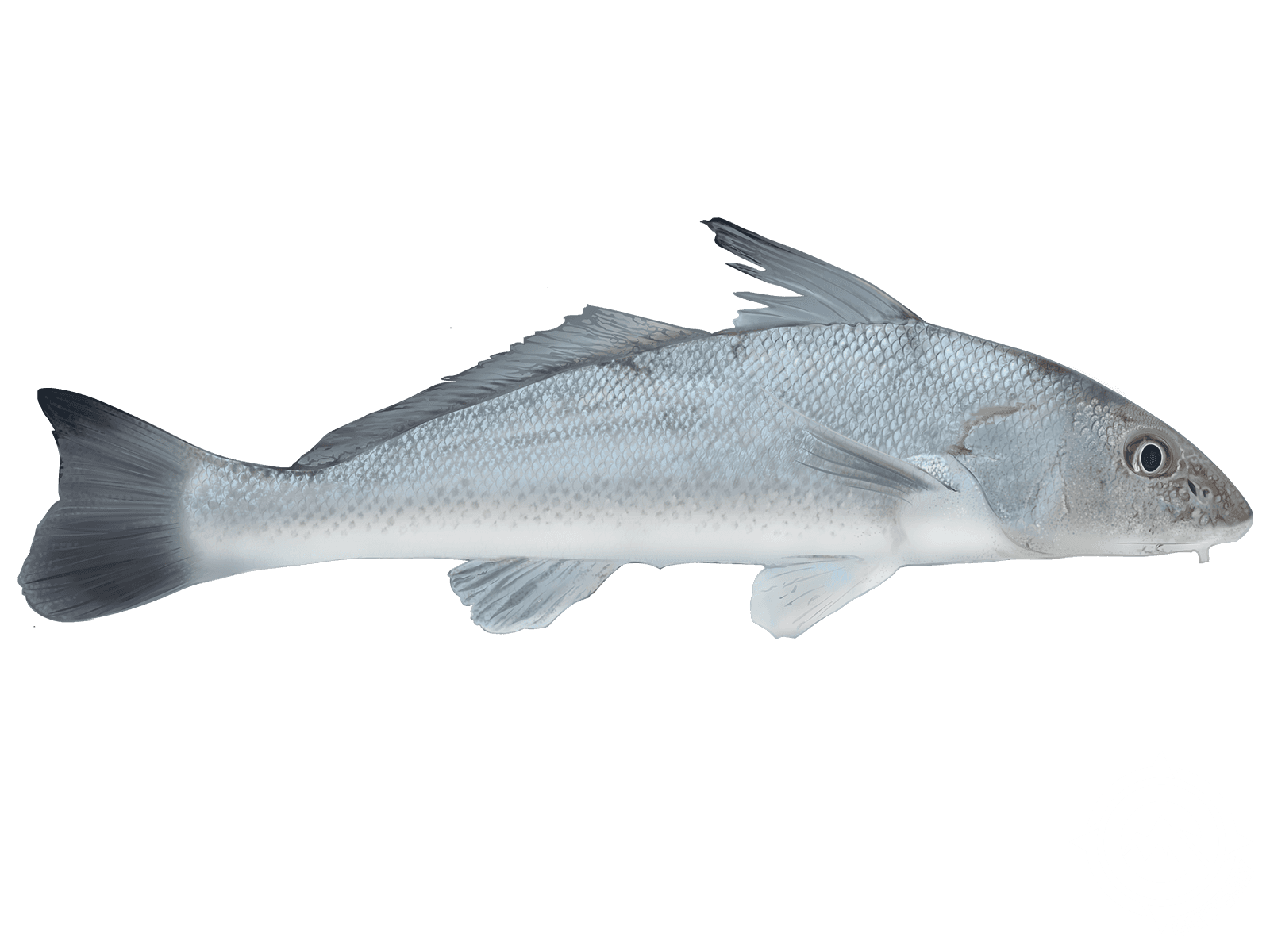
The Kingcroaker (scientific name Menticirrhus littoralis) is a fascinating member of the Sciaenidae family within the order Perciformes. This inshore bottom-dweller is instantly recognizable by its elongated body, downward-pointing mouth, and distinctive chin barbel—a sensory organ it uses to hunt prey along sandy and muddy seafloors. With silvery-grey coloration accented by dusky bars running along its sides and occasionally a coppery sheen, the Kingcroaker is built for life in shallow coastal waters. Also known simply as Kingfish, this species is a favorite among pier and beach anglers from Florida to the Gulf of Mexico, where it's prized both for sport and its excellent table fare. Whether you're fishing the Gulf coast or exploring nearshore ecosystems, understanding the Kingcroaker's habitat, behavior, and seasonal patterns will dramatically improve your chances of success.
Kingcroaker Overview
The Kingcroaker is a popular inshore gamefish known for its accessibility and reliable presence in shallow coastal and nearshore waters. As a member of the drum family, it shares the distinctive ability to produce croaking sounds—hence its common name. This species thrives in the warm waters from southern New England down through Florida, throughout the Gulf of Mexico, and along the eastern coast of South America to Argentina. For both recreational anglers and culinary enthusiasts, the Kingcroaker represents an ideal target: it's abundant, relatively easy to catch from shore or pier, and offers delicious, mild-flavored white flesh. Whether you're a seasoned angler or a first-time visitor exploring coastal waters, this adaptable species provides memorable fishing experiences and consistent action.
Kingcroaker Habitat and Distribution
Kingcroaker thrive in sandy bottoms, mud flats, and grass beds found in coastal waters and nearshore zones down to approximately 30 feet deep. They show a strong preference for shallow coastal areas where wave action naturally dislodges small crabs and crustaceans—ideal hunting grounds for these bottom feeders. Juveniles are particularly adaptable and often inhabit estuaries with lower salinity levels, making them one of the more resilient species in transitional aquatic environments. Their geographic range spans from southern New England southward to the tip of Florida, with robust populations throughout the Gulf of Mexico and beyond. In the Gulf region, sandy beaches and nearshore sandbars are hotspots where waves continuously churn up prey items, creating perfect feeding conditions. The species' preference for structured habitats means that pier pilings, jetties, and shell beds often concentrate populations, making these locations especially productive for anglers.
Kingcroaker Size and Weight
Kingcroaker typically range from 5 to 16 inches in length, with exceptional specimens reaching up to 19 inches. Most fish encountered by anglers weigh between 1 and 4 pounds, though larger individuals can push toward 5 pounds. The average lifespan of this species is 4 to 6 years, meaning you're likely catching relatively young adults when targeting them in shallow waters. Smaller fish are common in estuaries and nearshore areas, while the largest specimens tend to be found in deeper offshore waters. For table fare purposes, fish in the 12 to 16-inch range offer the best balance of size and yield when filleting, though smaller fish are perfectly suited for whole preparation after cleaning.
Kingcroaker Diet and Behavior
These aggressive predators are opportunistic bottom feeders with a diverse diet. They primarily hunt shrimp, small fish, and crustaceans, but also consume amphipods, polychaete worms, and mollusks. The distinctive chin barbel acts as a sensitive probe, allowing them to detect prey buried in sand or silt on the seafloor. This sensory adaptation makes them highly effective hunters in low-visibility environments. Kingcroaker are most active during dawn and dusk, though they feed throughout the day when conditions are favorable. They exhibit schooling behavior, particularly among juveniles, which is why productive fishing spots often yield multiple catches in succession. Their constant bottom-feeding activity creates a natural feeding window that anglers can exploit with the right presentation and bait selection.
Kingcroaker Spawning and Seasonal Activity
Kingcroaker spawn during summer months, with peak activity typically occurring from May through August. During this period, larger individuals move into deeper offshore waters, though smaller and juvenile fish remain accessible in nearshore and estuarine zones. Spring and fall shoulder seasons provide excellent fishing opportunities as water temperatures stabilize and prey availability increases. In the Gulf region, fall months often produce some of the most consistent action as schools consolidate in preparation for winter migration. Winter generally sees reduced activity in northern portions of their range, though Gulf Coast populations remain relatively active year-round. Understanding these seasonal patterns helps anglers time their trips for maximum productivity.
Kingcroaker Techniques for Observation or Capture
Technique 1: Pier and Beach Casting with Live or Cut Bait. The most straightforward approach involves fishing from piers, jetties, or beaches with small live shrimp, sand fleas, or cut mullet. Use a simple two-hook bottom rig with 2 to 4-ounce sinkers to keep your bait on the seafloor where Kingcroaker hunt. Cast perpendicular to the shoreline and work the bottom with gentle rod lifts every 30 seconds to stimulate feeding interest. Peak success occurs during incoming tides when predators become more active. Around coastal Florida and Gulf fishing piers, this technique consistently produces action throughout the fishing day.
Technique 2: Artificial Lures in Shallow Structure. Small jigs tipped with shrimp or soft plastics work exceptionally well in nearshore waters and around sandy structure. Use 1/8 to 1/4-ounce jigs and work them with short bouncing motions along the bottom. Focus on areas where depth transitions from shallow to slightly deeper water, as Kingcroaker often patrol these zones. This method is particularly effective during lower light periods and allows you to cover water more efficiently than static bait fishing.
Technique 3: Surf Fishing During Wave Action. Wade into sandy, shallow surf zones where wave action dislodges crabs and other crustaceans. Fish small hooks (No. 2-4) baited with sand fleas or fresh shrimp during the feeding window created by rough conditions. This active approach allows you to search for concentrated populations rather than waiting in one spot. The natural feeding frenzy triggered by turbulent water often results in quick, aggressive strikes.
Kingcroaker Culinary and Utilization Notes
The Kingcroaker is considered excellent table fare with firm, mild-flavored white flesh that appeals to diverse palates. Larger specimens (12+ inches) fillet cleanly and yield boneless portions perfect for pan-searing, baking, or grilling. Smaller fish are traditionally cleaned and cooked whole, which preserves moisture and flavor during preparation. The flesh has a delicate, slightly sweet character that pairs well with simple seasoning and light sauces. Sustainability-wise, Kingcroaker populations remain healthy throughout their range, making them a responsible choice for recreational harvest. One fish typically provides a modest but satisfying meal for one to two people, making them perfect for shore lunch or family seafood dinners.
Kingcroaker Frequently Asked Questions
Q: What is the best bait for catching Kingcroaker?
A: Live or fresh-cut shrimp is the gold standard, though sand fleas, small mullet, and fresh-cut herring are also highly effective. The key is using natural bait that mimics the species' primary prey items and keeps it near the bottom where they feed.
Q: Where can I find Kingcroaker near the Gulf Coast?
A: Fishing piers, sandy beaches, and nearshore sandbars throughout the Gulf region consistently hold Kingcroaker populations. In Florida specifically, coastal piers from the Panhandle to the Keys, shallow Gulf bays, and nearshore waters within 30 feet of depth are productive year-round.
Q: Is Kingcroaker good to eat?
A: Absolutely. The mild-flavored white flesh is delicious and versatile. Larger fish fillet beautifully, while smaller fish are excellent when cleaned and cooked whole. Most anglers consider it excellent table fare comparable to other popular inshore species.
Q: When is the best time to catch Kingcroaker?
A: Dawn and dusk are peak periods, though Kingcroaker feed throughout the day. Spring and fall shoulder seasons offer excellent activity, while summer months can be productive in deeper offshore areas. Incoming tides generally produce more consistent feeding than outgoing tides.
Q: How long do Kingcroaker typically live?
A: The average lifespan is 4 to 6 years, meaning most fish you encounter are relatively young adults. The growth rate is fairly rapid during the first few years of life.
Q: What distinguishes Kingcroaker from other croaker species?
A: The distinctive chin barbel and downward-pointing mouth are key identifying features. Additionally, Kingcroaker typically display 7-8 dusky bars along the body and have a divided dorsal fin. They're generally smaller than some related species and prefer shallow inshore waters, making them readily accessible to shore-based anglers.

Southern Kingcroaker Overview
The Southern Kingcroaker (Menticirrhus Americanus), belonging to the family Sciaenidae and order Perciformes, is a fascinating coastal gamefish that has earned a loyal following among anglers and seafood enthusiasts alike. This slender, distinctive fish is instantly recognizable by its brownish bronze body with blue reflections, metallic gold markings on its head and tail, and a uniquely rounded, spatula-shaped tail fin. What really sets the Southern Kingcroaker apart is its remarkable ability to produce audible sounds—both a thrumming vibration created by abdominal muscles against its swim bladder and distinctive clicking noises made with its teeth. These vocalizations have made it a subject of fascination for both recreational and commercial fishermen along the Atlantic coast. Whether you're exploring Delaware Bay or fishing the Carolina coast, this species delivers consistent action and excellent table fare.
The Southern Kingcroaker is commonly known by several regional names, including Southern Kingfish (the most widespread), Whiting in South Carolina, and Ground Mullet in North Carolina. This naming confusion means many anglers unknowingly target this species without realizing its true identity, making it one of the more underappreciated fish in coastal waters.
Southern Kingcroaker Habitat and Distribution
Southern Kingcroakers are creatures of the nearshore zone, thriving in the troughs and channels that characterize the surf zone and slightly deeper waters just beyond the breakers. They show a marked preference for sandy and rocky substrates where coquina clams and other invertebrates flourish—perfect hunting grounds for a bottom-feeding specialist like this species. During warmer months, these fish migrate closer to shore and toward the surface, making them significantly more accessible to beach and pier anglers. In cooler seasons, they retreat to deeper water just offshore, though dedicated anglers can still locate and catch them with proper technique and patience.
Delaware Bay stands out as a premier spawning ground for Southern Kingcroakers, though interestingly, the species doesn't qualify for individual Delaware State Records despite their abundance in these waters. Throughout their range along the Atlantic coast, from the Mid-Atlantic through the Carolinas, they inhabit rivermouth areas and onshore environments where saltwater mixes with freshwater influence, creating ideal feeding conditions.
Southern Kingcroaker Size and Weight
The typical Southern Kingcroaker measures between 12 to 20 inches in length, with most specimens caught by recreational anglers falling in the 12 to 15-inch range. Average weights run from 1 to 3 pounds, making them a perfect target for medium-light tackle enthusiasts who enjoy a sporting fight without requiring heavy-duty equipment. The largest recorded Southern Kingcroaker reached approximately 2.4 pounds, though specimens regularly approach or exceed 2 pounds in productive waters. Their slender, elongated body profile makes them feel larger and fight harder than their actual weight might suggest, which adds to their appeal among anglers seeking a fun, reactive experience on lighter gear.
Southern Kingcroaker Diet and Behavior
The Southern Kingcroaker's inferior-terminal mouth—positioned more toward the bottom of its head—reveals its identity as a dedicated bottom feeder and mollusk specialist. These fish actively hunt shrimp and crabs with enthusiasm, but they're equally content consuming mollusks and amphipods found in sandy substrates. On slower feeding days, they'll scavenge detritus and carrion, displaying the adaptability that makes them reliable targets year-round. Their sound-producing abilities serve multiple purposes: the thrumming vibrations likely function in communication and territorial disputes, while tooth-clicking sounds may signal feeding activity or stress responses. This acoustic behavior, combined with their predictable feeding preferences, has made them favorites among anglers who fish the shallows and understand their bottom-hugging habits.
Southern Kingcroaker Spawning and Seasonal Activity
Spring and early summer represent prime time for Southern Kingcroaker abundance and catchability, when massive spawning aggregations move into nearshore waters. Delaware Bay serves as a critical spawning destination, where reproductive activity reaches peak intensity. During these seasons, fish concentrate in predictable locations, making them far easier to locate and catch than during fall and winter months. As water temperatures cool into autumn, the population gradually disperses toward deeper offshore waters, though fishing remains possible for determined anglers willing to venture further from shore. Summer offers the best combination of accessibility and activity, with fish positioned close to the beach where they're vulnerable to both live bait and properly presented artificial offerings.
Southern Kingcroaker Techniques for Observation or Capture
Live Bait Method: The most effective technique for catching Southern Kingcroakers involves live or freshly-cut natural baits rather than artificial lures, which they actively avoid. Deploy fresh clams, squid, bloodworms, or live shrimp on a medium-light rod with fast action—this combination provides enough sensitivity to detect the subtle taps and nibbles these fish are known for. Use a 1.5 to 3-ounce sinker depending on surf conditions, allowing your bait to rest on the bottom where these bottom-feeders naturally hunt. Cast into the troughs and channels of the surf zone during morning and evening hours when activity peaks.
Tackle Setup: A medium-light rod paired with appropriate line weight and a quality reel creates the optimal platform for enjoying these fish without over-powering them. Terminal tackle should include small circle hooks (sizes 1/0 to 3/0) that match your bait size, minimizing the chance of deep hooking while maximizing hook-up ratios. The fast-action rod tip lets you set the hook quickly when you feel that characteristic tap that precedes a committed strike.
Localized Approach: Around Delaware Bay and the Carolina coast, fish the nearshore troughs during incoming tides when baitfish and crustaceans become more active and Southern Kingcroakers feed most aggressively. Focus your efforts on sandy areas with visible coquina clam beds, as these mollusks indicate prime feeding habitat. Spring through early summer offers peak results, though consistent catches occur throughout the warmer months when the species remains in shallow, accessible waters.
Southern Kingcroaker Culinary and Utilization Notes
The Southern Kingcroaker deserves recognition as excellent table fare, offering firm, mild-flavored white flesh that appeals to a wide range of palates. Their culinary qualities have earned them respect among both recreational and commercial fishermen, with many considering them superior to more famous gamefish species. The firm texture holds up beautifully to various cooking methods—pan-searing, baking, broiling, and frying all produce outstanding results. Their mild flavor profile accepts bold seasonings and delicate preparations equally well, making them versatile for creative cooking. Beyond recreation, these fish support sustainable harvest practices where regulations permit, contributing to local food systems and reducing pressure on larger, slower-growing species. The consistent size and availability of Southern Kingcroakers make them practical targets for families and anglers seeking both sport and dinner.
Southern Kingcroaker Frequently Asked Questions
Q: What is the best bait for catching Southern Kingcroakers?
A: Live or freshly-cut clams, squid, bloodworms, and live shrimp consistently outperform other options. Southern Kingcroakers actively avoid artificial lures, so natural presentations are essential. Fresh-cut bait slightly outperforms live options when targeting multiple fish quickly, though live bait produces larger individuals in some situations.
Q: Where can I find Southern Kingcroakers near Delaware Bay?
A: Delaware Bay serves as the premier spawning ground for Southern Kingcroakers along the Atlantic coast. Fish the nearshore troughs and sandy areas during spring and early summer when populations peak. Focus on areas with visible coquina clam beds, as these mollusks indicate prime feeding habitat where the species congregates.
Q: Is the Southern Kingcroaker good to eat?
A: Absolutely. Southern Kingcroakers are known for their firm, mild-flavored white flesh that accepts various cooking preparations beautifully. Pan-searing, baking, and frying all produce excellent results. Their culinary reputation rivals or exceeds that of many more famous gamefish species, making them a worthwhile addition to your catch for dinner.
Q: When is the best time to catch Southern Kingcroakers?
A: Spring through early summer represent prime seasons when populations move into shallow, accessible waters near shore. During these months, fish position themselves in the troughs and channels of the surf zone where they're highly vulnerable to proper baits and techniques. Summer extends this peak period, though productive fishing continues through early fall.
Q: What tackle should I use for Southern Kingcroakers?
A: Medium-light rods with fast action provide the optimal balance, allowing you to feel subtle strikes while maintaining a sporting fight. Pair your rod with appropriate line weight (8-12 pound test is standard), small circle hooks (sizes 1/0 to 3/0), and sinkers ranging from 1.5 to 3 ounces depending on surf conditions.
Q: Why are Southern Kingcroakers called by so many different names?
A: Regional naming conventions reflect local fishing traditions and dialect differences. South Carolina calls them Whiting, North Carolina refers to them as Ground Mullet, while Southern Kingfish is the most widespread common name. This naming confusion means many anglers unknowingly target this species without realizing they've caught a Southern Kingcroaker, which is part of what makes this underappreciated species so special to those who know its true identity.