%2Ffit-in%2F250x250%2Fusers%2F5e3543bc-c3d9-4c4a-a3da-e87fde7f5732%2Fimages%2F8e7f0864-a625-4d1d-a539-62a9b8b69e07.jpg&w=1920&q=100)
Spanish Mackerel Fishing Success in Port Orange Waters
Spanish Mackerel Fishing in Port Orange
5.0

2 Reviews
- 5
 100%
100% - 4
 0%
0% - 30%
- 20%
- 10%
%2F%2Fusers%2F5e3543bc-c3d9-4c4a-a3da-e87fde7f5732%2Fimages%2Fspanish-mackerel-port-orange-deep-10316.png&w=1920&q=75)
The Scomberomorus Maculatus belongs to the order Perciformes and family Scombridae. It typically measures between 20 and 72 inches in length, with a weight range from 8 to 120 lbs. - Habitat: offshore, onshore, nearshore. - Spanish Mackerel is a favorite fishing target for both recreational and commercial fishers.
Fishing Charter by Captain Aaron Highers in August
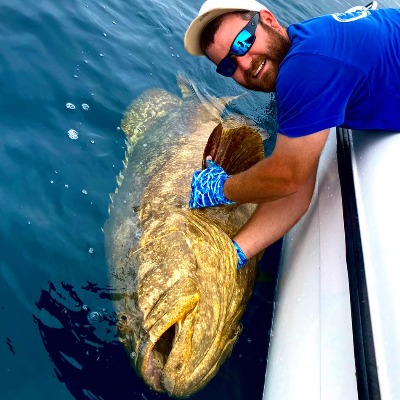
Meet your Captain Aaron Highers
- Experience Top Notch Adventures Offshore & Inshore


Summary
Captain Aaron Highers of Top Notch Adventures on Thursday July offers productive inshore fishing charters in the waters around Ponce Inlet. These 4-hour trips target Spanish Mackerel, redfish, black drum, and flounder using live bait fishing, surf casting, and light tackle jigging techniques. The charter launches from 93 Dunlawton Ave and provides all necessary gear for both novice and experienced anglers. Port Orange's location near Ponce Inlet creates ideal conditions for year-round inshore fishing, with Spanish Mackerel being particularly active during summer months. Whether you're looking for a quick fishing trip or want to experience Florida's diverse marine life, these productive waters consistently deliver solid action and memorable catches for visiting and local anglers alike.
Fishing Charter with Captain Aaron Highers – Rates & Booking
Captain Aaron Highers of Top Notch Adventures on Thursday July runs productive 4-hour inshore fishing charters from Ponce Inlet. These trips target Spanish Mackerel, redfish, black drum, and flounder in some of Florida's most productive inshore waters. All gear is included, and the charter accommodates up to 2 guests with experienced local guidance. Book online or call to check availability and secure your spot on the water.
Highlights of Inshore Fishing Charters In Port Orange FL | 4 Hour Inshore Fishing Charter
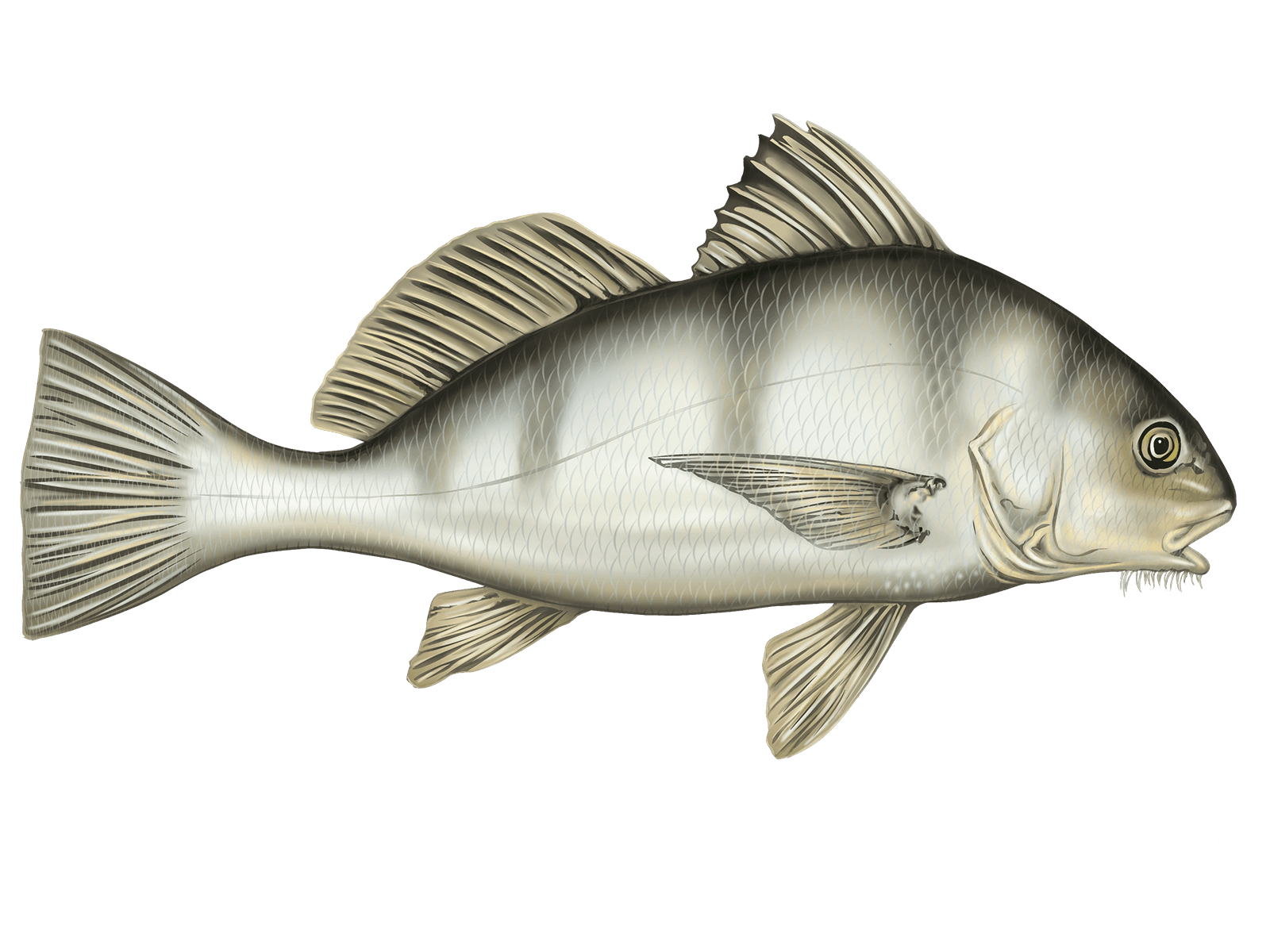
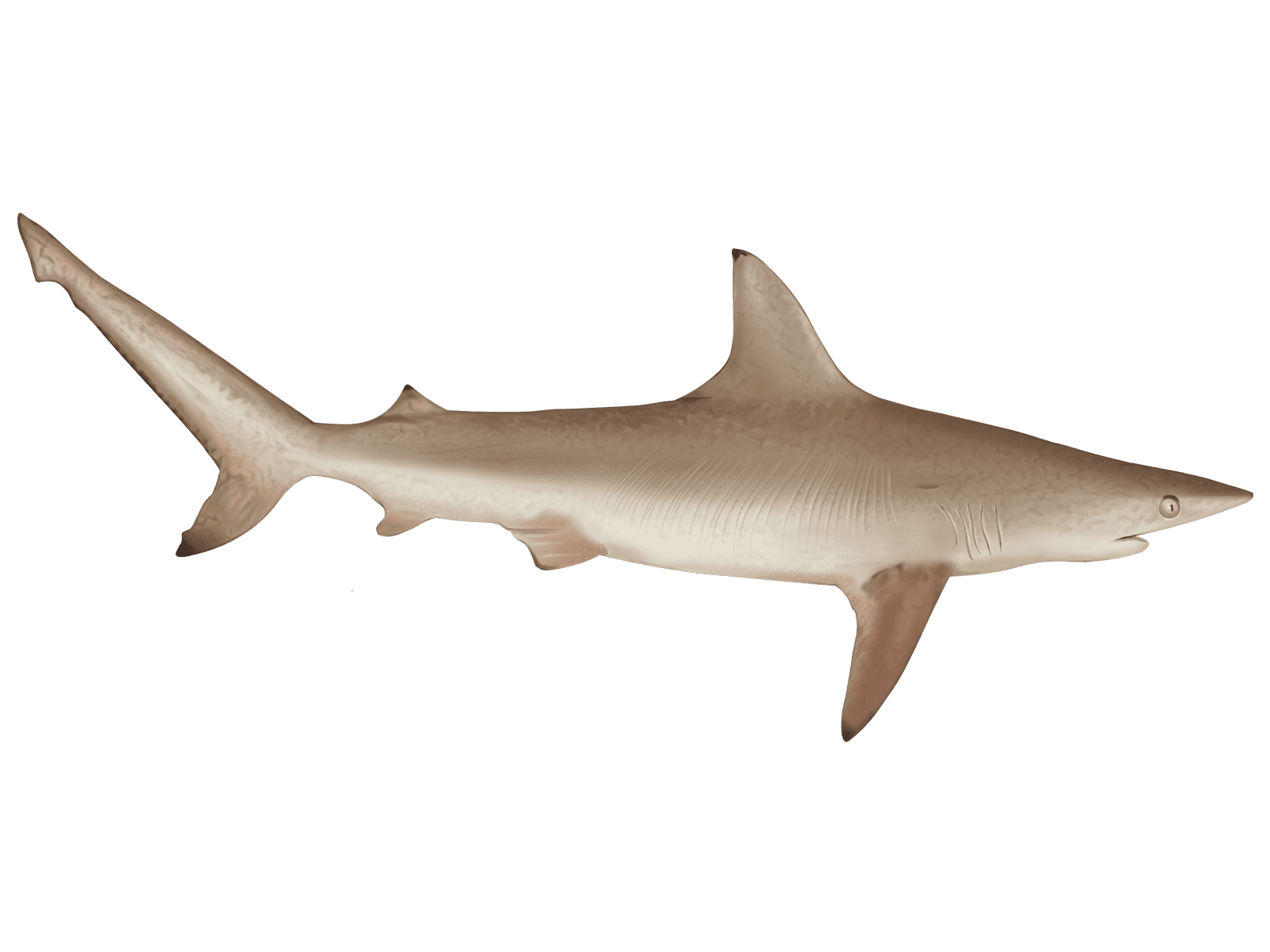
The productive waters around Ponce Inlet offer consistent action for Spanish Mackerel and other inshore species. Captain Aaron uses multiple techniques including live bait fishing, surf casting, and light tackle jigging to maximize your chances of success. Recent trips have produced impressive catches like 27-inch Spanish Mackerel, along with Gafftopsail sea catfish and various shark species.
These 4-hour charters provide the perfect balance of time on the water without committing to a full day. The trip launches from 93 Dunlawton Ave and focuses on the super productive fishing grounds where redfish, black drum, and flounder are regularly caught alongside the prized Spanish Mackerel.
Local Species Insights: Spanish Mackerel
Spanish Mackerel thrive in Port Orange's nearshore and inshore waters, particularly around Ponce Inlet where they feed on baitfish and small crustaceans. These fast-swimming predators are most active during summer months when water temperatures rise, making July an excellent time to target them. They typically school in large groups and respond well to light tackle jigging and live bait presentations, which is why Captain Aaron's varied approach proves so effective in these productive waters.
Plan Your Fishing Charter Day
Your 4-hour inshore fishing charter includes all necessary gear and tackle, with Captain Aaron providing expert guidance on techniques and local hotspots. The trip accommodates up to 2 guests and launches from the convenient Dunlawton Ave location. Bring your hat, sunscreen, and camera to capture the action as you explore some of Florida's best inshore fishing grounds around Ponce Inlet.
Fishing in Port Orange: Spanish Mackerel

Spanish Mackerel (Scomberomorus maculatus) is a prized gamefish belonging to the order Perciformes and family Scombridae. This streamlined predator features a silvery body with a dark greenish top and distinctive yellowish oval spots scattered along its sides. Found along both coasts of Florida and throughout the Gulf of Mexico, Spanish Mackerel are fast-swimming schooling fish that migrate seasonally. In Port Orange waters this July, they're particularly active around Ponce Inlet's productive fishing grounds.
Spanish Mackerel Overview
Spanish Mackerel are highly sought after by recreational and commercial fishers due to their fighting ability and excellent table fare. These pelagic fish are known for their speed and acrobatic jumps when hooked, making them exciting targets for light tackle fishing. They play a crucial role in the marine ecosystem as both predator and prey species.
Spanish Mackerel Habitat and Distribution
Spanish Mackerel inhabit nearshore, inshore, and offshore waters from North Carolina to Texas, with Florida serving as a year-round home for many populations. They prefer water temperatures between 68-85°F and are commonly found around reefs, wrecks, and areas with strong currents that concentrate baitfish. Around Port Orange, they frequent the waters near Ponce Inlet where tidal flow creates ideal feeding conditions.
Spanish Mackerel Size and Weight
Spanish Mackerel typically range from 20 to 72 inches in length, with weights between 8 and 120 pounds. Most recreational catches fall between 14-20 inches and weigh 1-3 pounds, though larger specimens exceeding 25 inches and 5 pounds are caught regularly in Florida waters.
Spanish Mackerel Diet and Behavior
Spanish Mackerel are aggressive predators that feed primarily on small fish like anchovies, sardines, and silversides, along with shrimp and squid. They hunt in schools and are most active during dawn and dusk periods. Their feeding behavior makes them responsive to both live bait and artificial lures, particularly when presented near structure or in areas with current.
Spanish Mackerel Spawning Season
Spanish Mackerel spawn in nearshore waters from April through September, with peak activity occurring during summer months when water temperatures reach optimal levels. During spawning season, they form large aggregations that provide excellent fishing opportunities for anglers targeting multiple fish.
Spanish Mackerel Fishing Techniques
Effective techniques for Spanish Mackerel include light tackle jigging with small spoons or jigs, live bait fishing with pilchards or shrimp, and trolling with small lures or spoons. They respond well to fast-moving presentations and are often caught while targeting other species. In July, anglers around Port Orange find them near reefs and inlet mouths where they ambush baitfish in the current.
Spanish Mackerel Is It Good to Eat?
Spanish Mackerel are excellent table fare with firm, flaky white meat and a mild flavor. They're high in protein and omega-3 fatty acids while being relatively low in mercury compared to larger mackerel species. Popular cooking methods include grilling, broiling, and blackening, with the fish being best when consumed fresh.
Spanish Mackerel Frequently Asked Questions
Q: What is the best bait for Spanish Mackerel?
A: Live pilchards, shrimp, and small jigs or spoons work best. They prefer fast-moving baits that mimic their natural prey.
Q: Where can I find Spanish Mackerel near Port Orange?
A: Look for them around Ponce Inlet, nearshore reefs, and areas with current where baitfish congregate.
Q: Is Spanish Mackerel good to eat?
A: Yes, Spanish Mackerel have excellent flavor with firm, white meat that's perfect for grilling or blackening.
Q: When is the best time to catch Spanish Mackerel?
A: Summer months like July offer peak fishing, especially during dawn and dusk when they're most actively feeding.
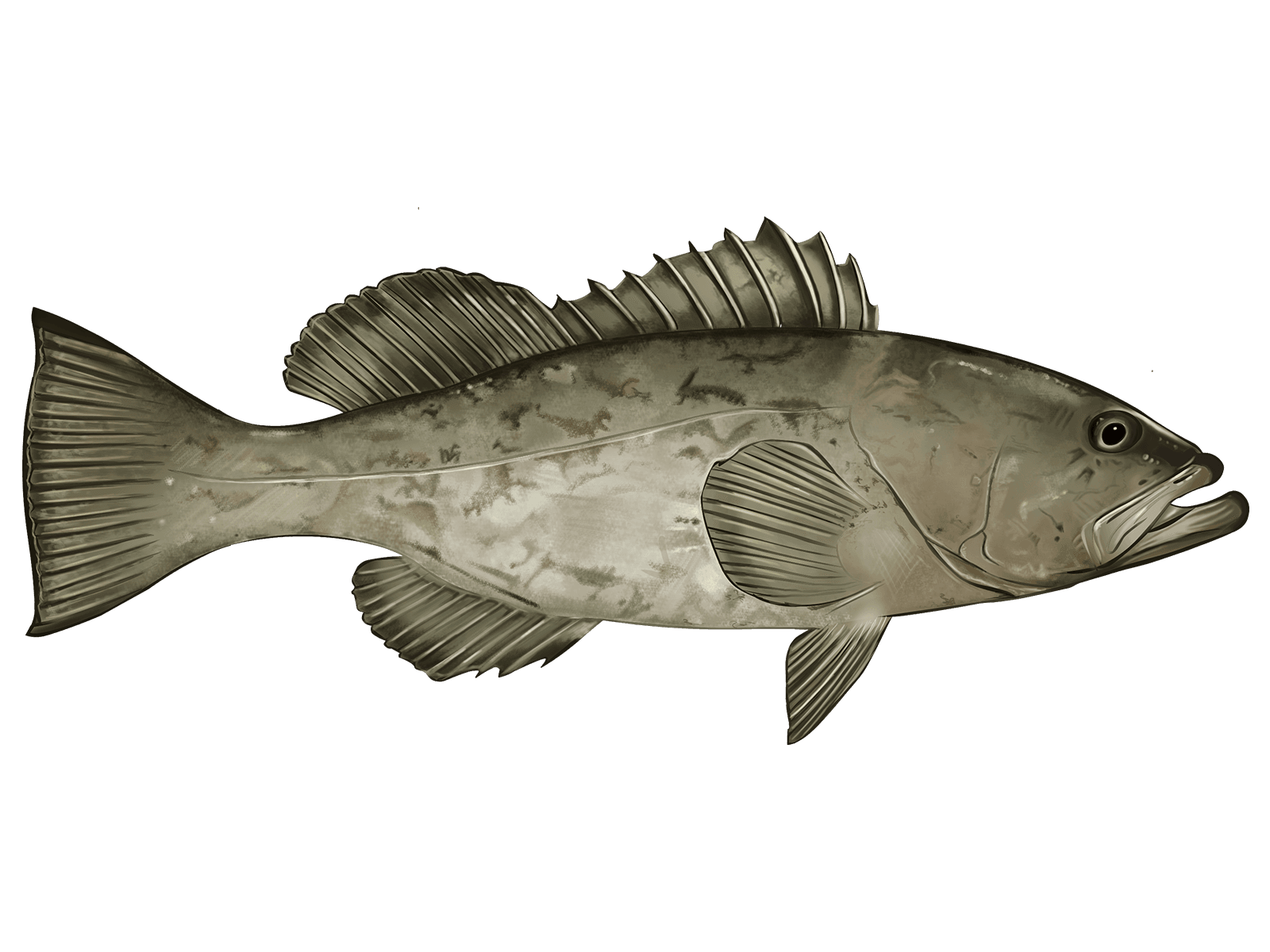
More species you can explore on this trip
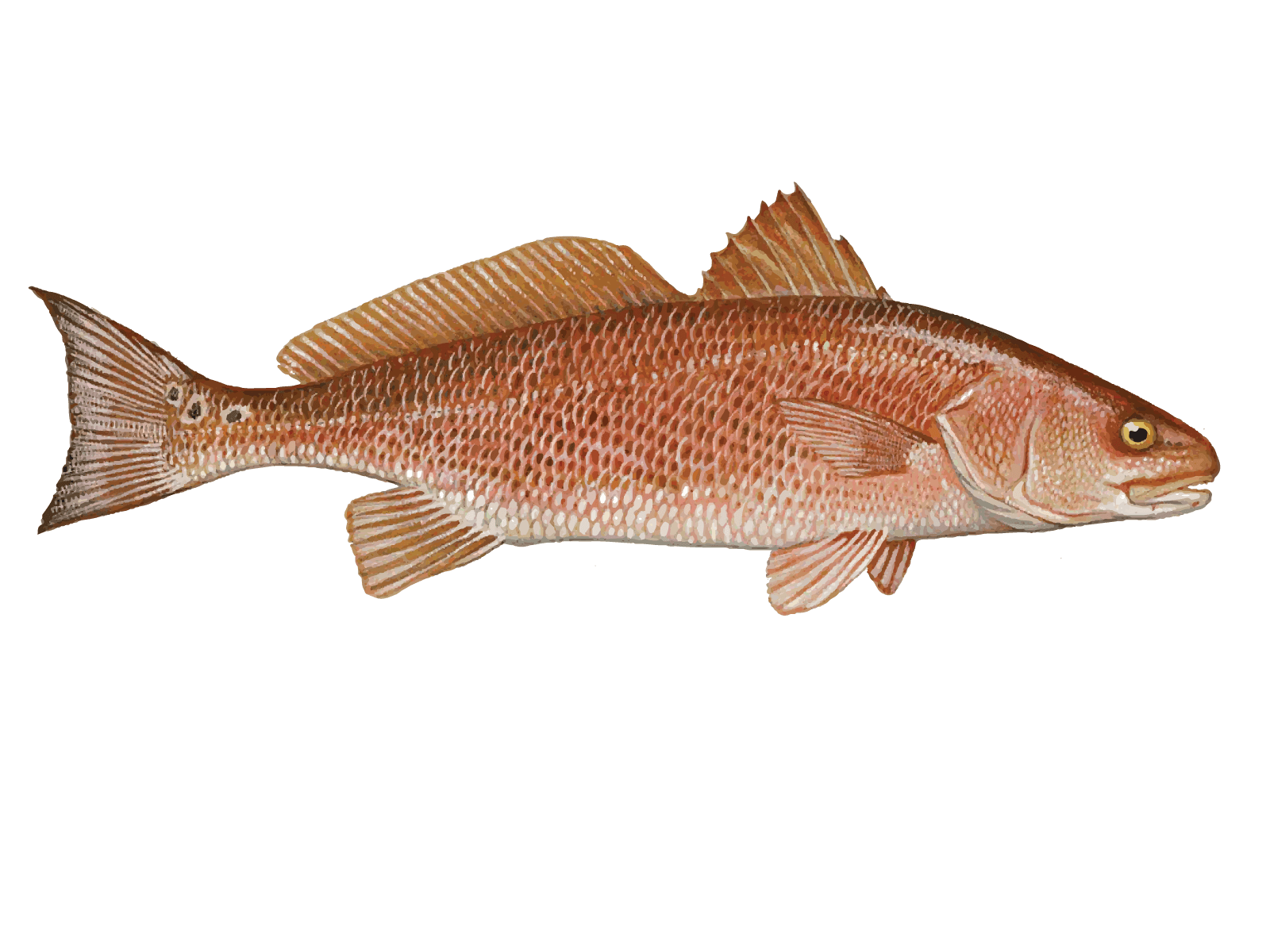
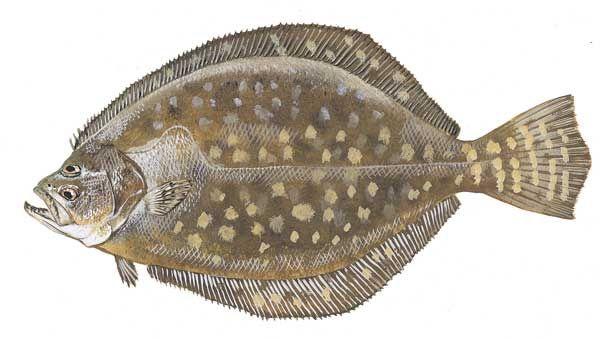
Top Notch Adventures Available Trips
Ready for some fishin' action without the all-day commitment? Our 4-hour inshore trip in Port Orange is just the ticket. We'll zip out to the fish-filled waters of Ponce Inlet, where redfish, black drum, and flounder are always biting. Heck, you might even hook a shark if you're lucky! Don't sweat it if you're new to fishing - our guide knows all the sweet spots and we've got top-notch gear to make sure you're set up for success. It's the perfect way to get a taste of Florida's legendary inshore fishing scene without taking up your whole day. Just bring your sunscreen and a can-do attitude, and we'll handle the rest. Whether you're looking to learn the ropes or just want to reel in some fun, this trip's got you covered. See you at the dock for some rod-bending action!